( Our name )
A celebration of the hand.
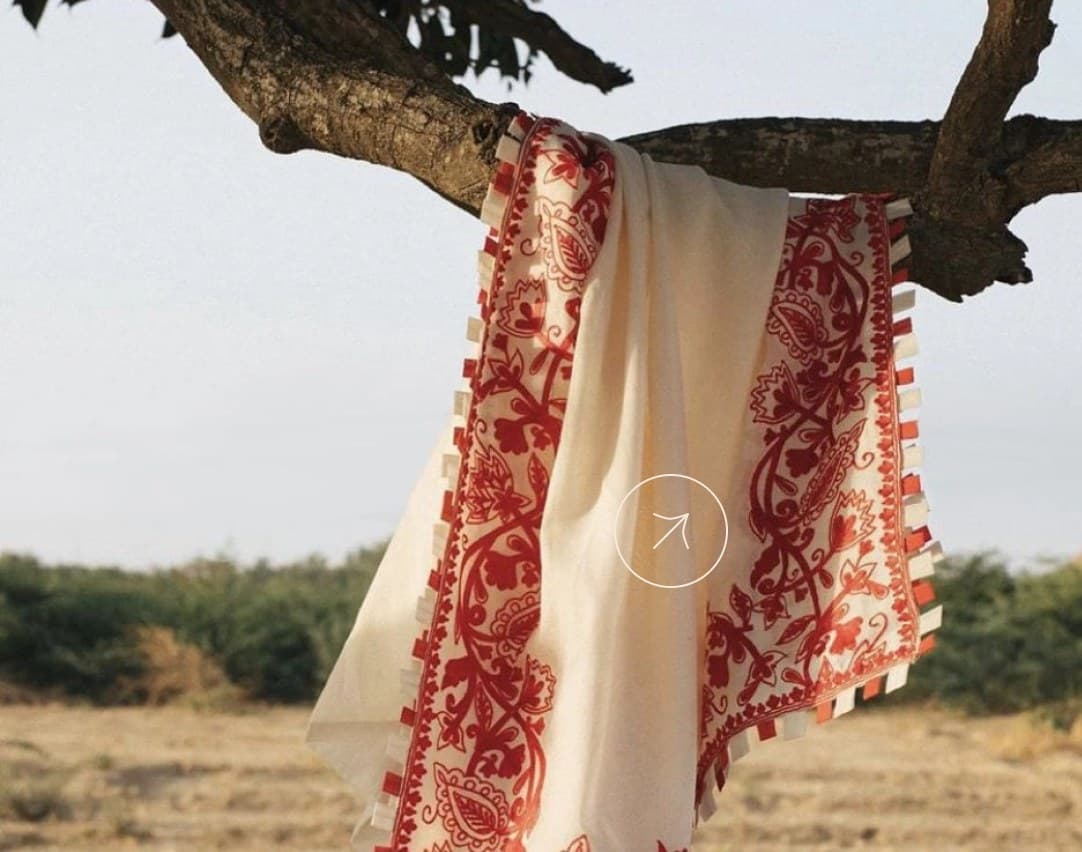
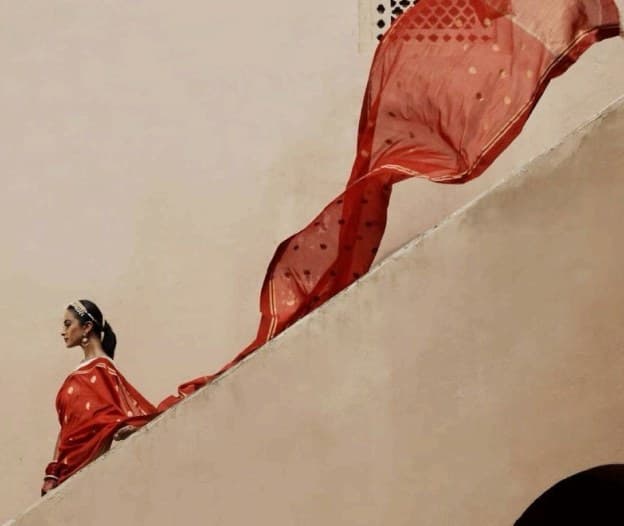
Chunni is the everyday word — the length of cloth that is thrown over a shoulder, wound over the head, folded away, handed on. Not dupatta, which is the formal word, and not stole, which is nobody's. We named the house after the piece as people actually say it, because that is how we want the pieces to be worn: without ceremony, every day, for a long time.
- Fabric
- Mulmul and kora silk, from weavers we know by name
- Technique
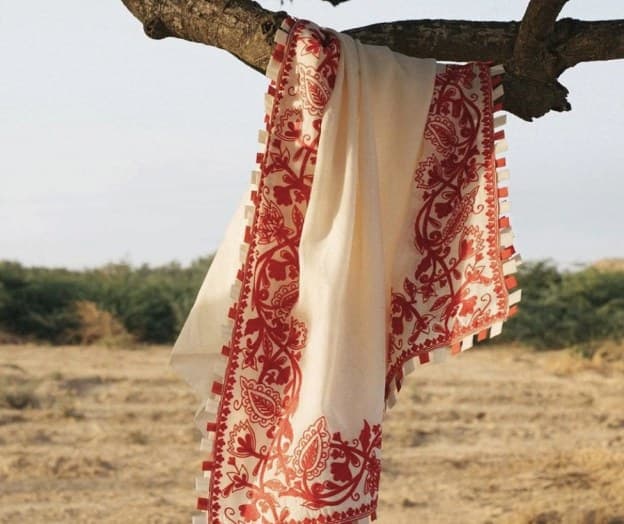
- Zari, hand embroidery, hand-block
- Made in
- Family workshops across northern India
- Made once
- Some pieces; when they are gone, they are gone
New DelhiWoven for the modern heir to Indian craftIndia
( Our story )
Luxury lies not in excess, but in authenticity — in the hand of the artisan, the weight of heritage, and the intentionality of design.
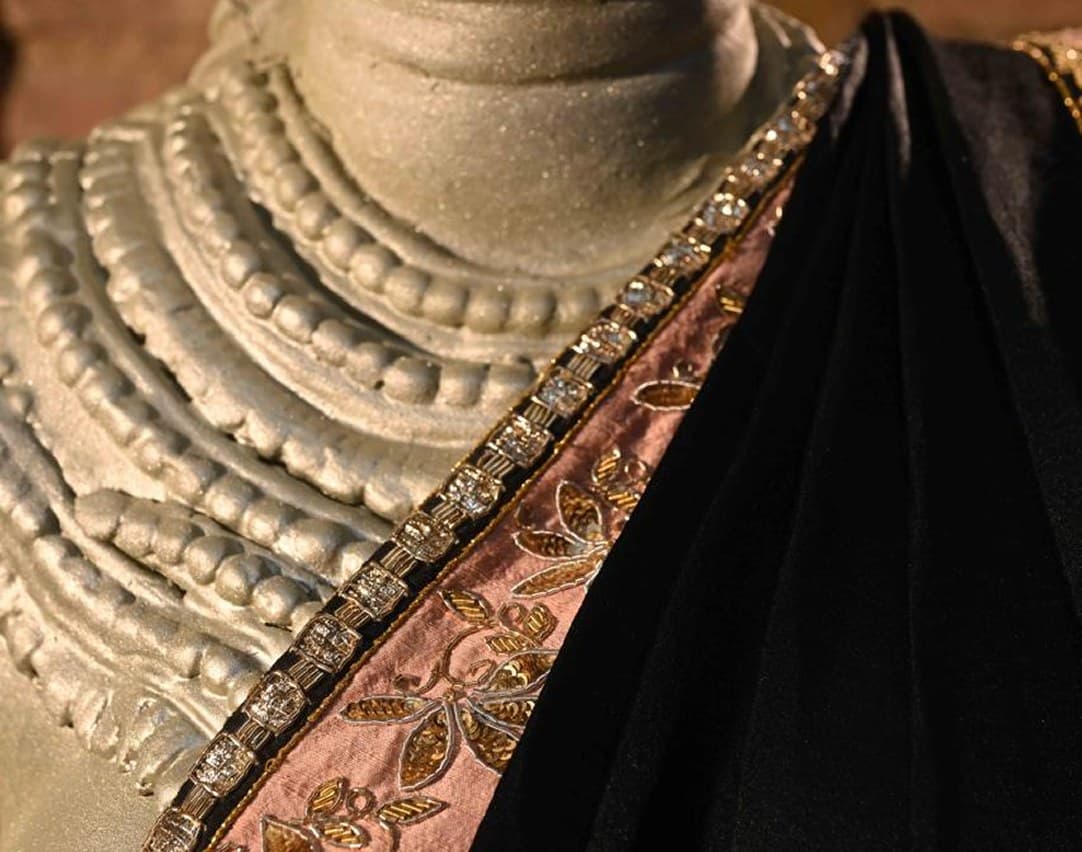
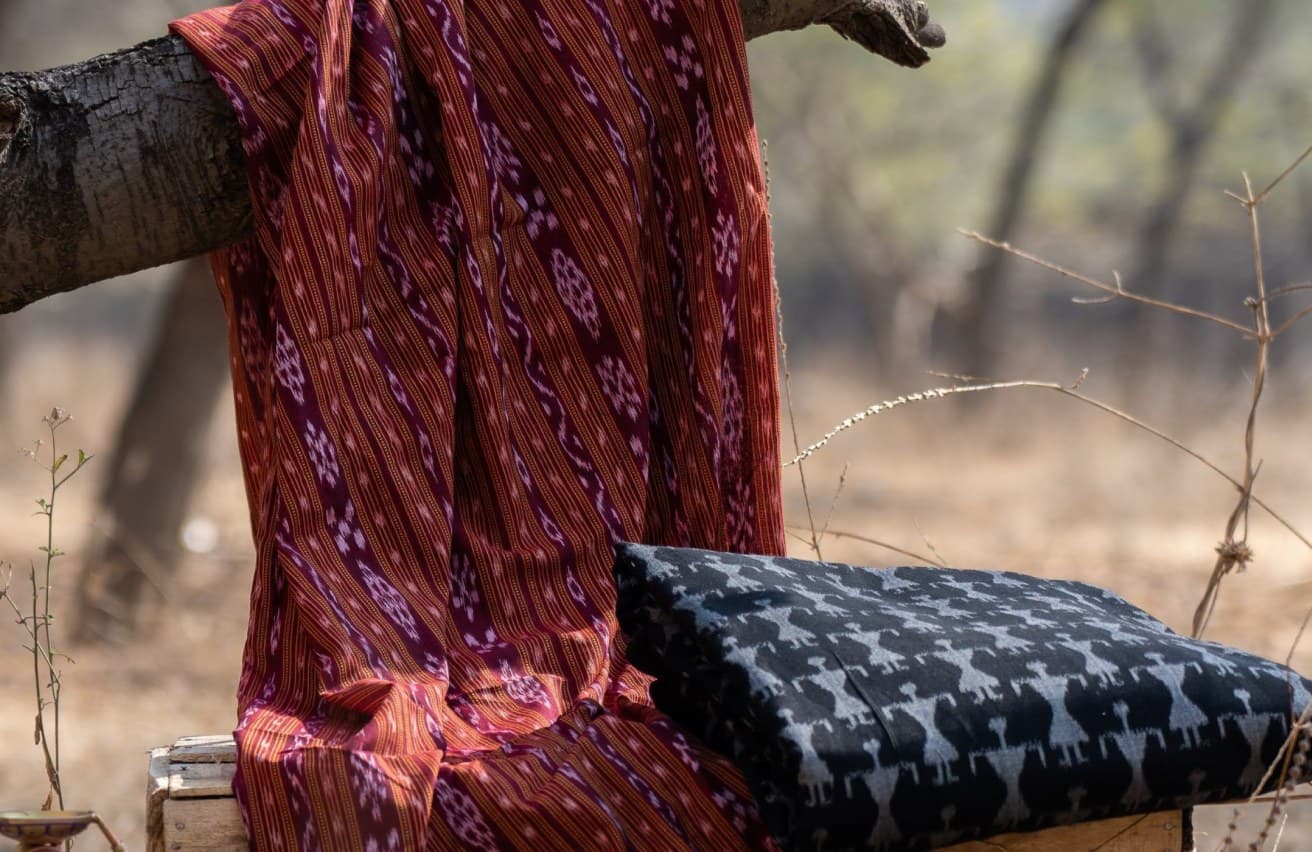
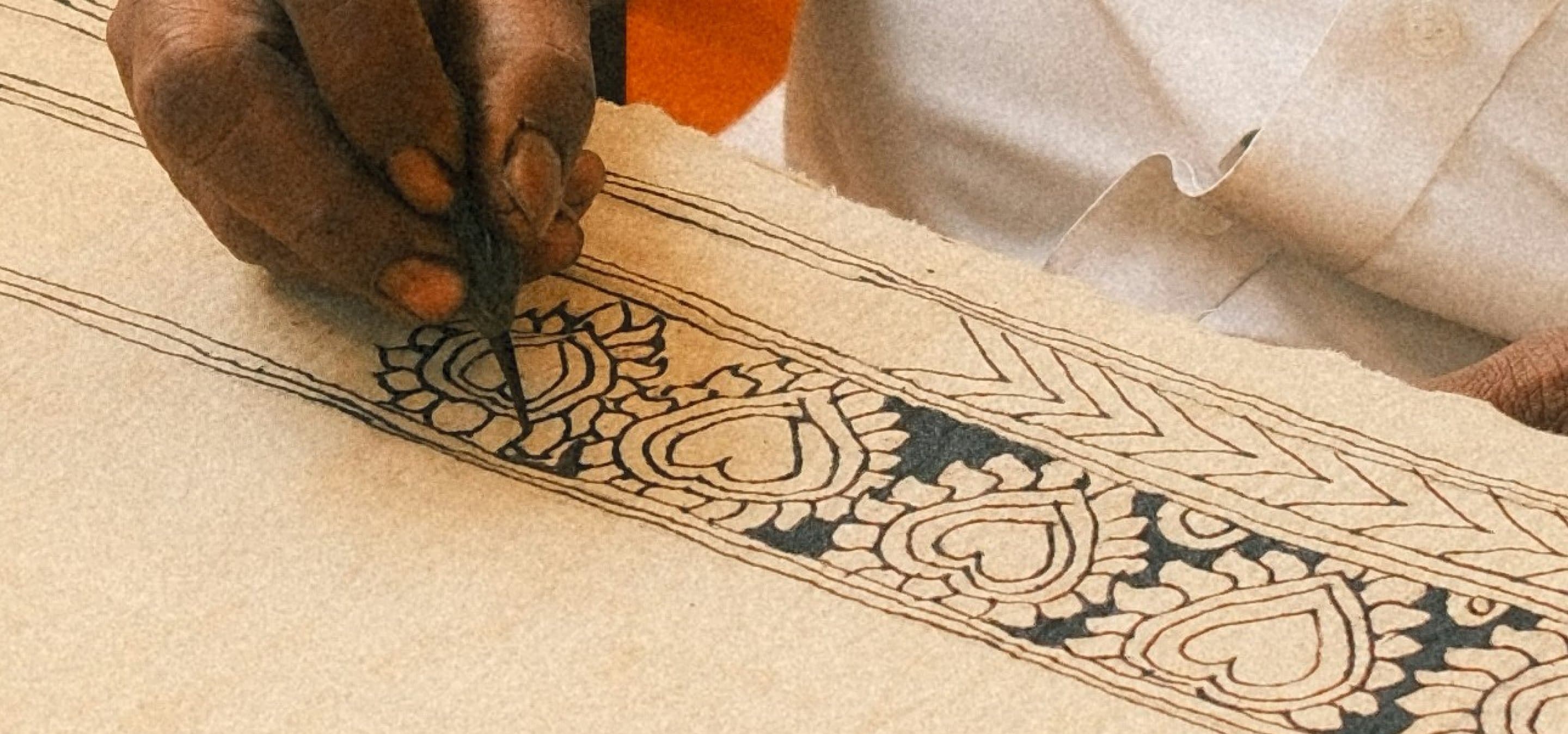
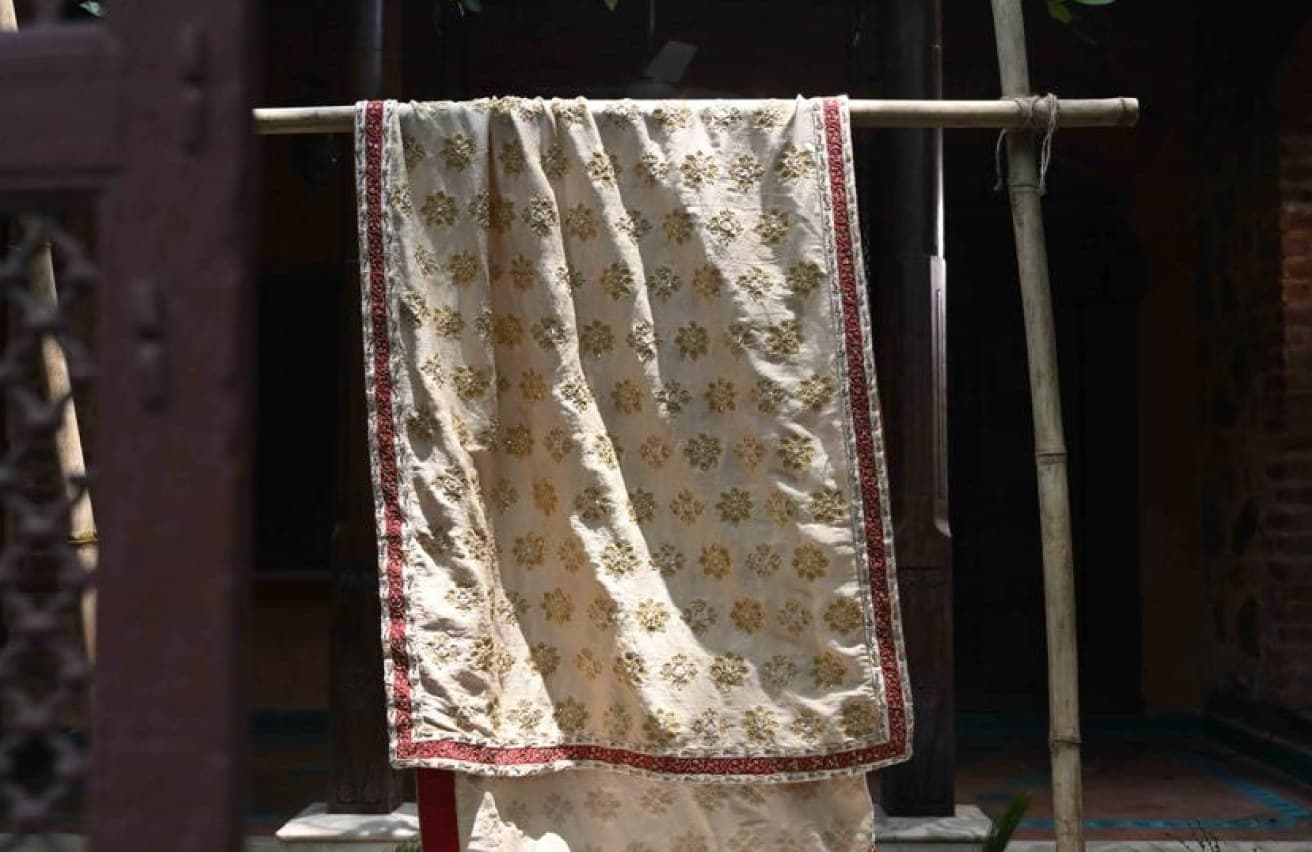
We began with a refusal. A chunni should never be a print pretending to be a craft, or a shortcut pretending to be a tradition. So every piece starts as mulmul or kora silk from weavers we know by name, chosen for how it takes a needle and how it falls from a shoulder — never for how quickly it can be made.
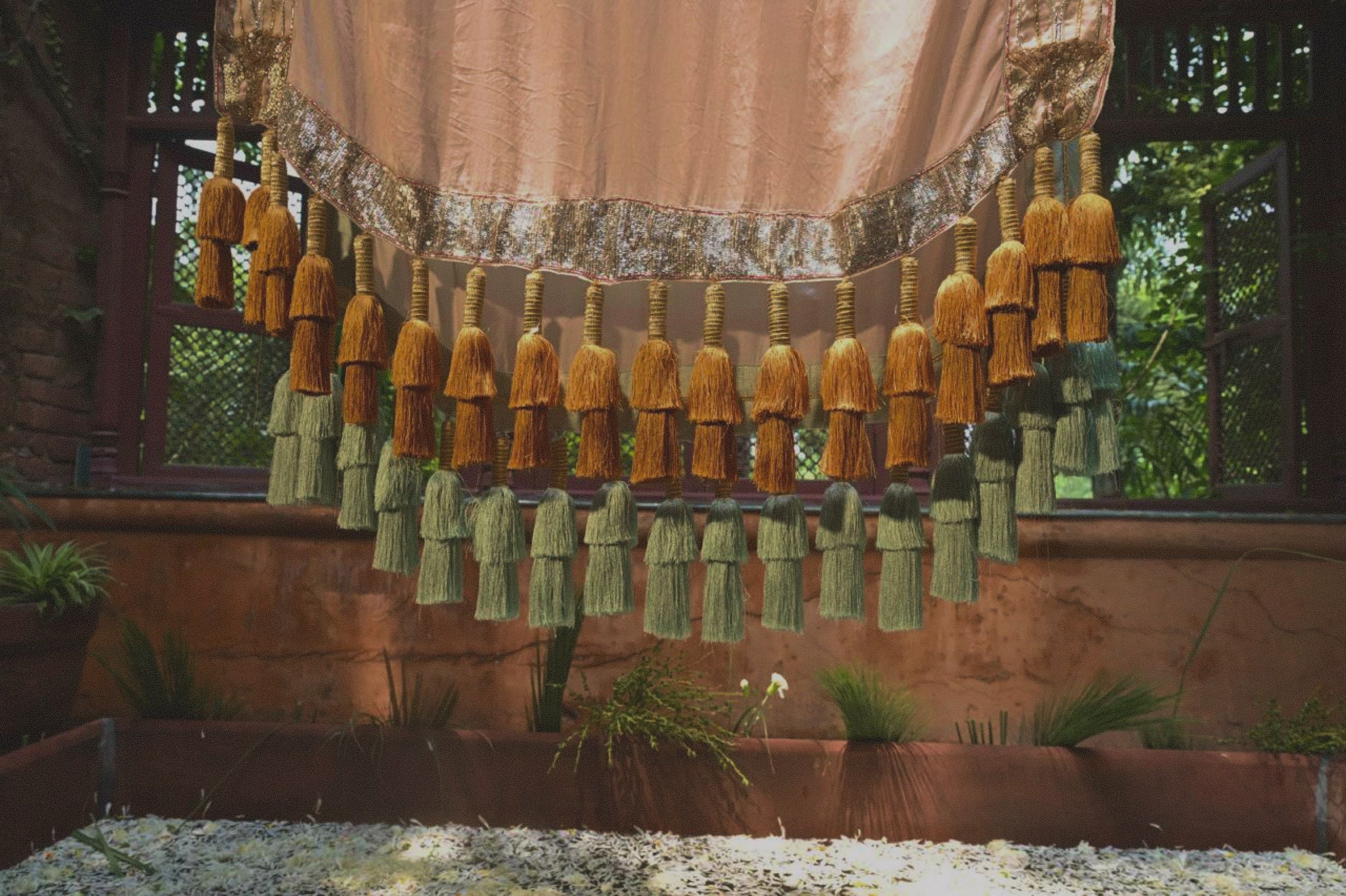
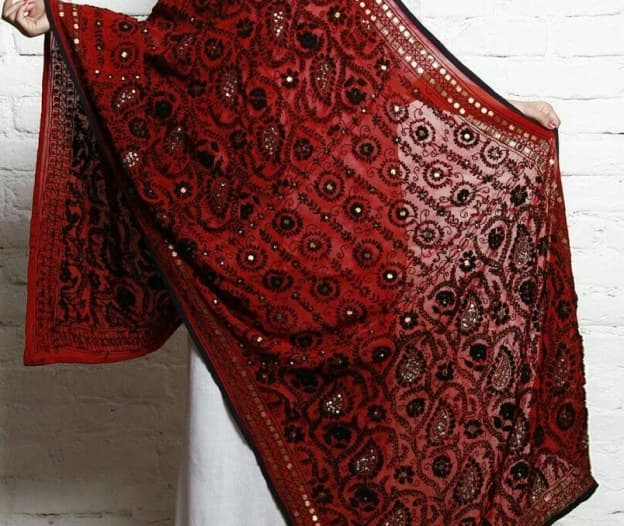
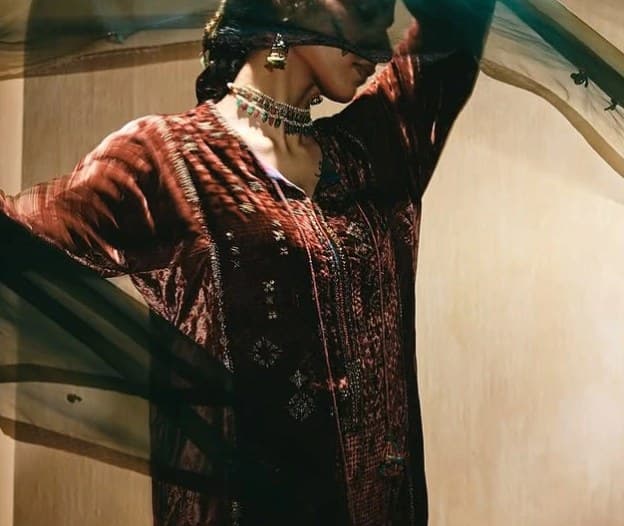
The zari and the embroidery are worked by families who have practised these techniques for generations; a single piece can take weeks at the frame, and we would rather wait. What comes off it is meant to be worn — at a wedding, on a Tuesday — and handed on. That is the only kind of luxury we recognise.
( The pieces )
Made once, made well.
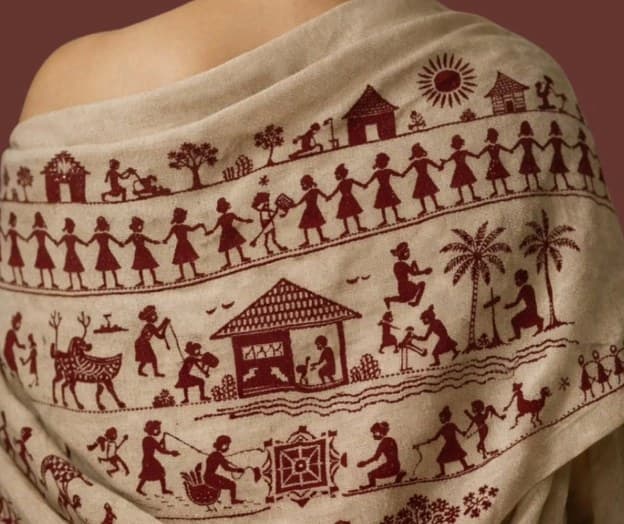
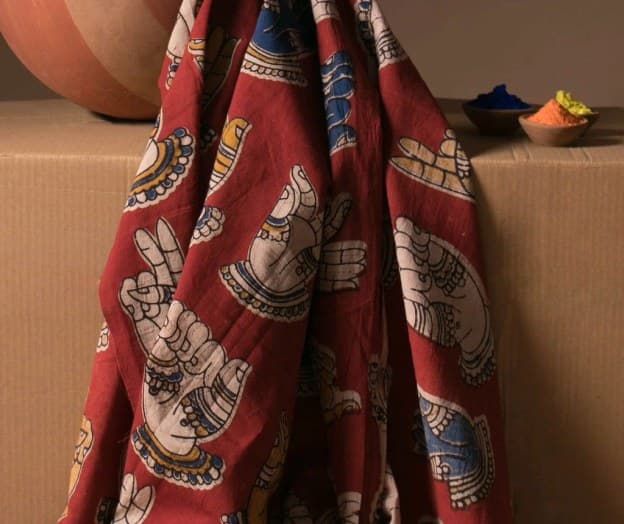
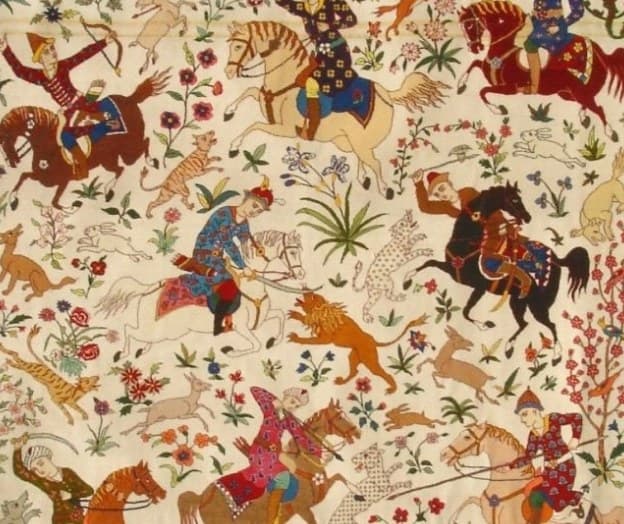
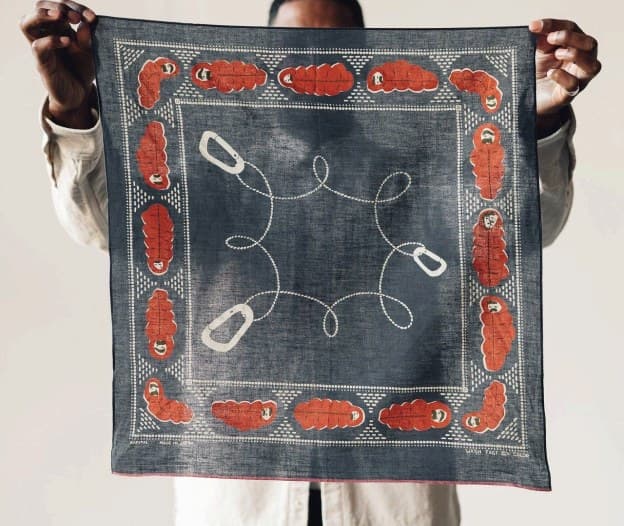
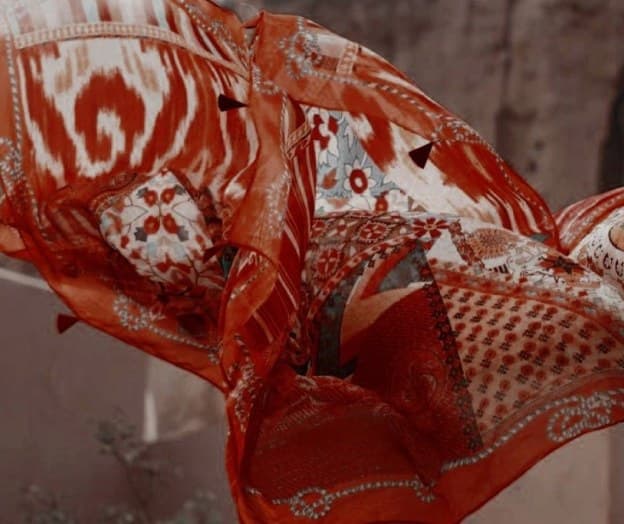
Some of our pieces are made only once. When they are gone, they are gone, and the hands that made them move on to the next. Every chunni in the collection carries those hands.
See the pieces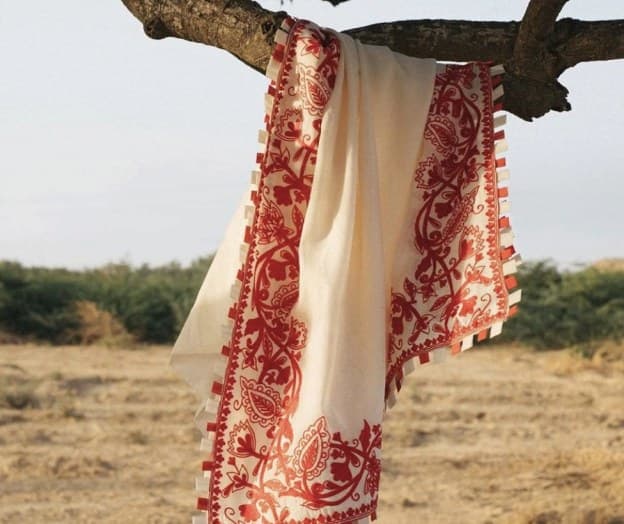 Open post 1 on Instagram
 Open post 2 on Instagram
 Open post 3 on Instagram
 Open post 4 on Instagram
 Open post 5 on Instagram
 Open post 6 on Instagram
 Open post 7 on Instagram
 Open post 8 on Instagram
 Open post 9 on Instagram
 Open post 10 on Instagram
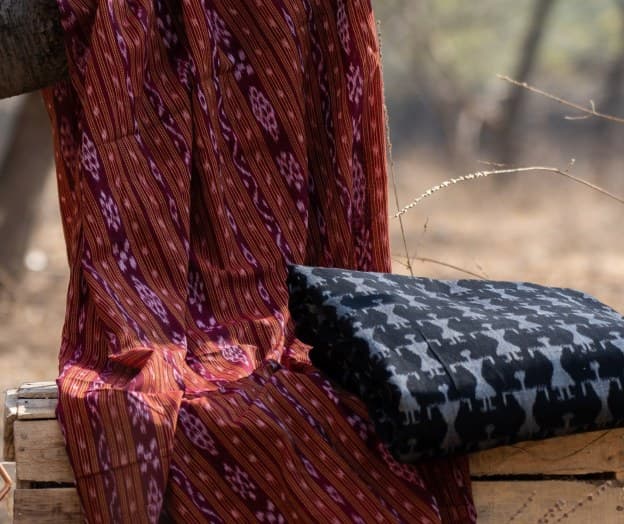 Open post 11 on Instagram
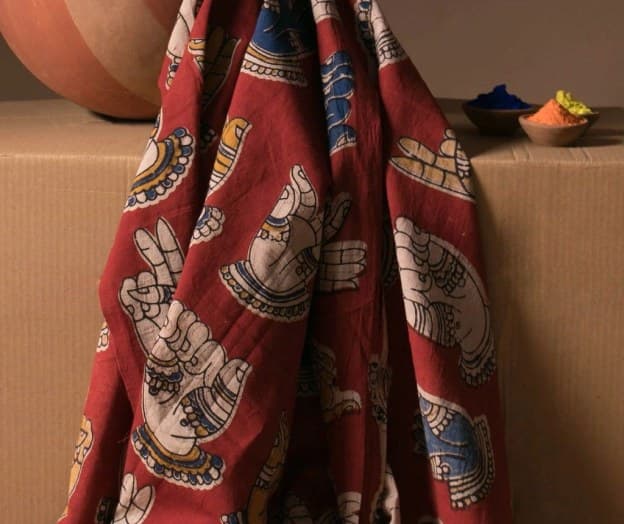 Open post 12 on Instagram
The chunni,reimagined.
Lorem ipsum dolor sit amet, consectetur adipiscing elit. Aliquam pellentesque elit ac sem